Yi Yi (A One and a Two), The Distance Between
Reflections on Taipei and the 4K re-release of "Yi Yi (A One and a Two)." Thoughts on the back of ourselves we can never see, and life that continues with seeming disconnection.
Note: This is an AI-translated version of the original Korean post. The translation may not be entirely accurate.
Meeting Taipei at the Airport Gate
Late last year, I took a short solo vacation to Taipei, Taiwan. A tight schedule—arriving Monday dawn and returning Wednesday evening. Overwhelmed by daily life, I couldn't research much and had to just go with the flow. The first thing that filled my blank slate impression of Taipei was this film I watched on my laptop at the airport gate.
I prefer reading both films and books in one sitting without interruption. I especially hate watching movies in segments. I thought it was a form of courtesy to fully receive the director's intentions in a relatively short period of around two hours in one breath. Though interrupted by events like boarding the plane, even those interrupted moments felt exciting with this film.
Walking the Streets from the Film
As soon as I landed at the airport, as if possessed, I was honored to see with my own eyes the various places in Taipei that appeared in the film. The apartment where the family lived, the streets they walked, the school Yang-Yang attended. Walking those places that weren't tourist attractions, I could feel Taipei much closer. Though decades have passed and time has changed things, it was enough to feel the atmosphere of the film.
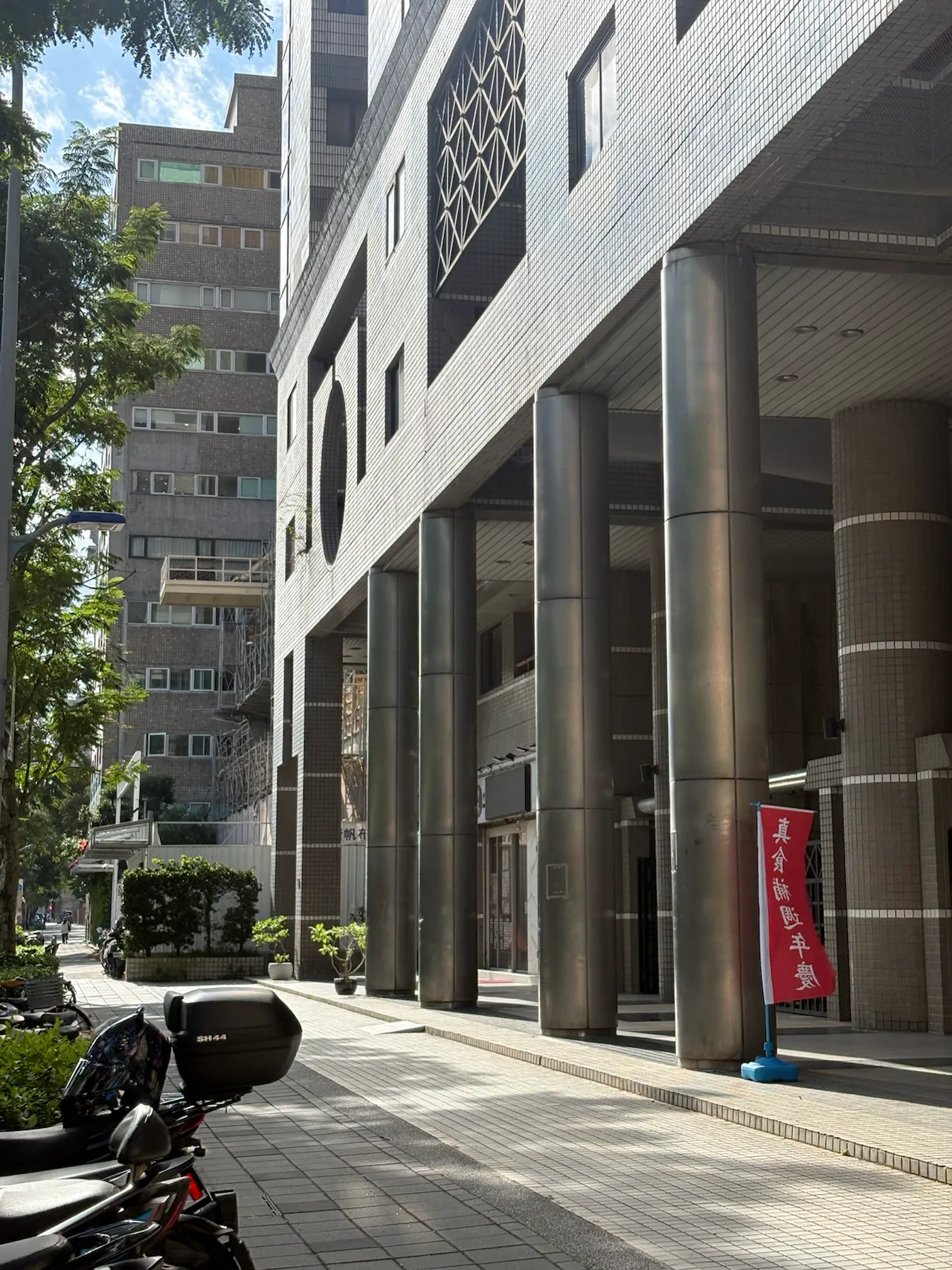
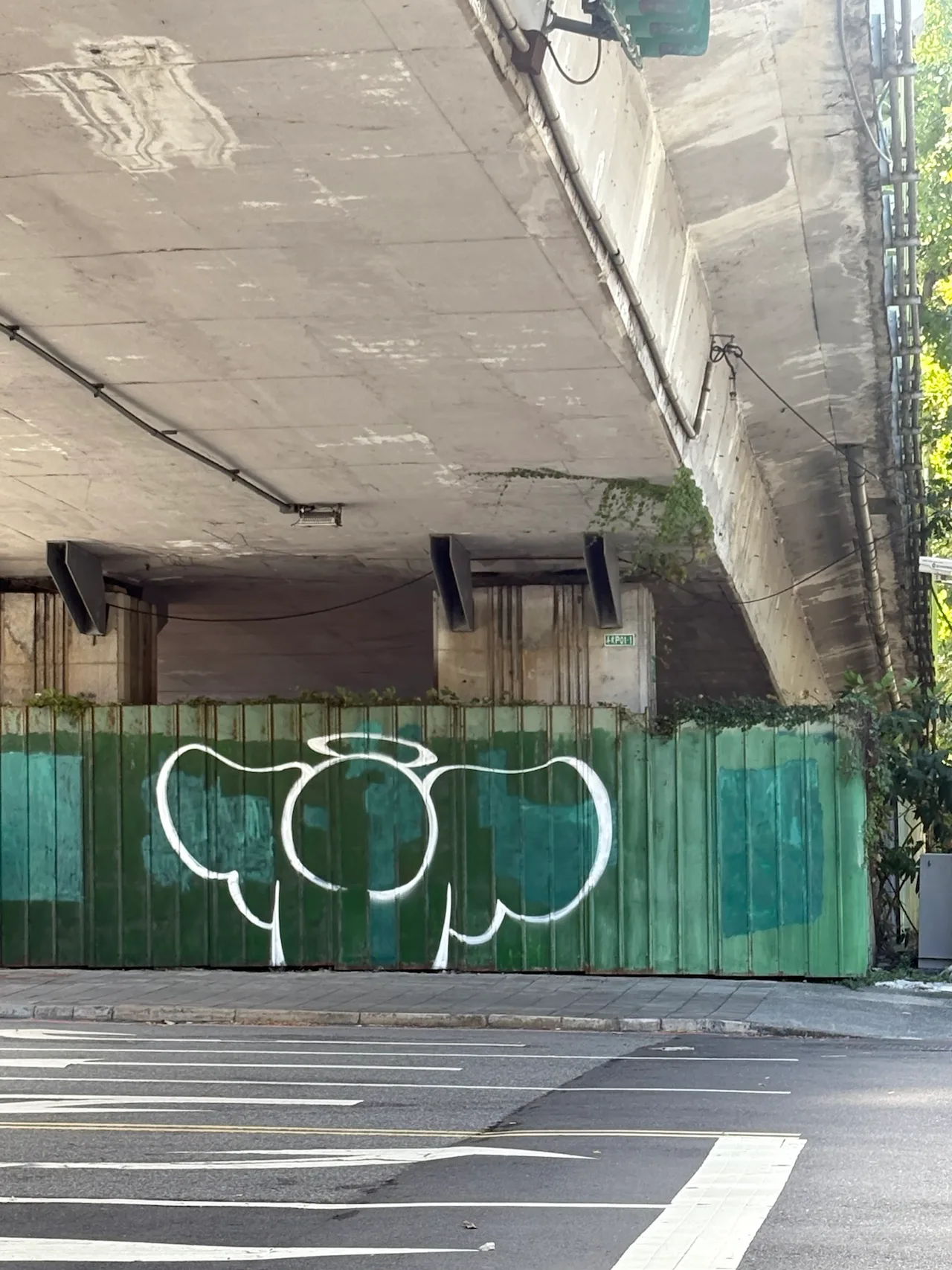
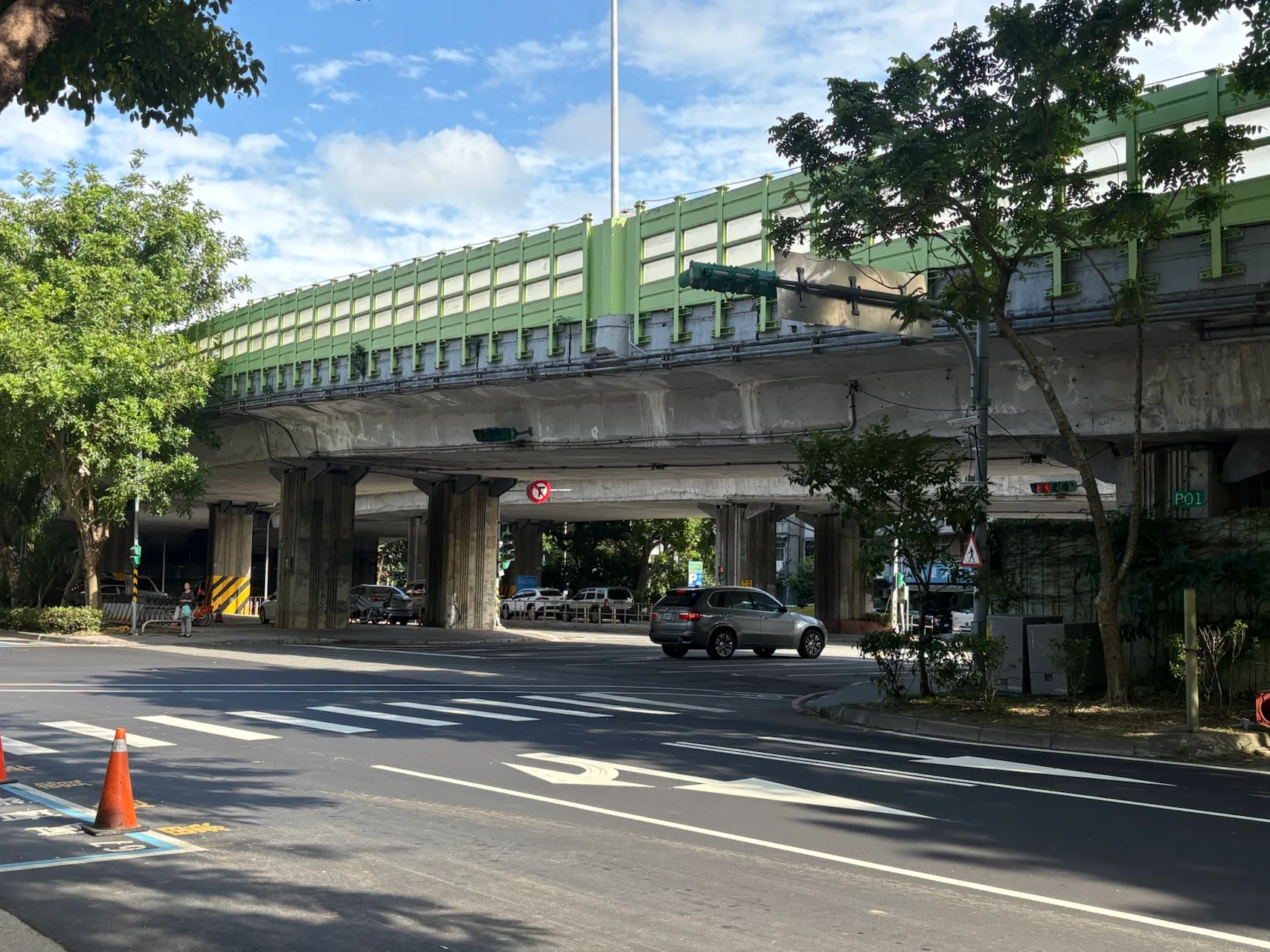
The apartment complex where NJ's family lived in the film, and the elevated road where Ting-Ting gained and lost love. The atmosphere remains.
The unique feeling of Taipei as a city and Taiwan's alleyways quite matched what I received from this film. I should post about the Taipei trip someday. It was a travel destination where I received that texture felt in the film, where Japan, Korea, China, and Hong Kong are mysteriously connected.
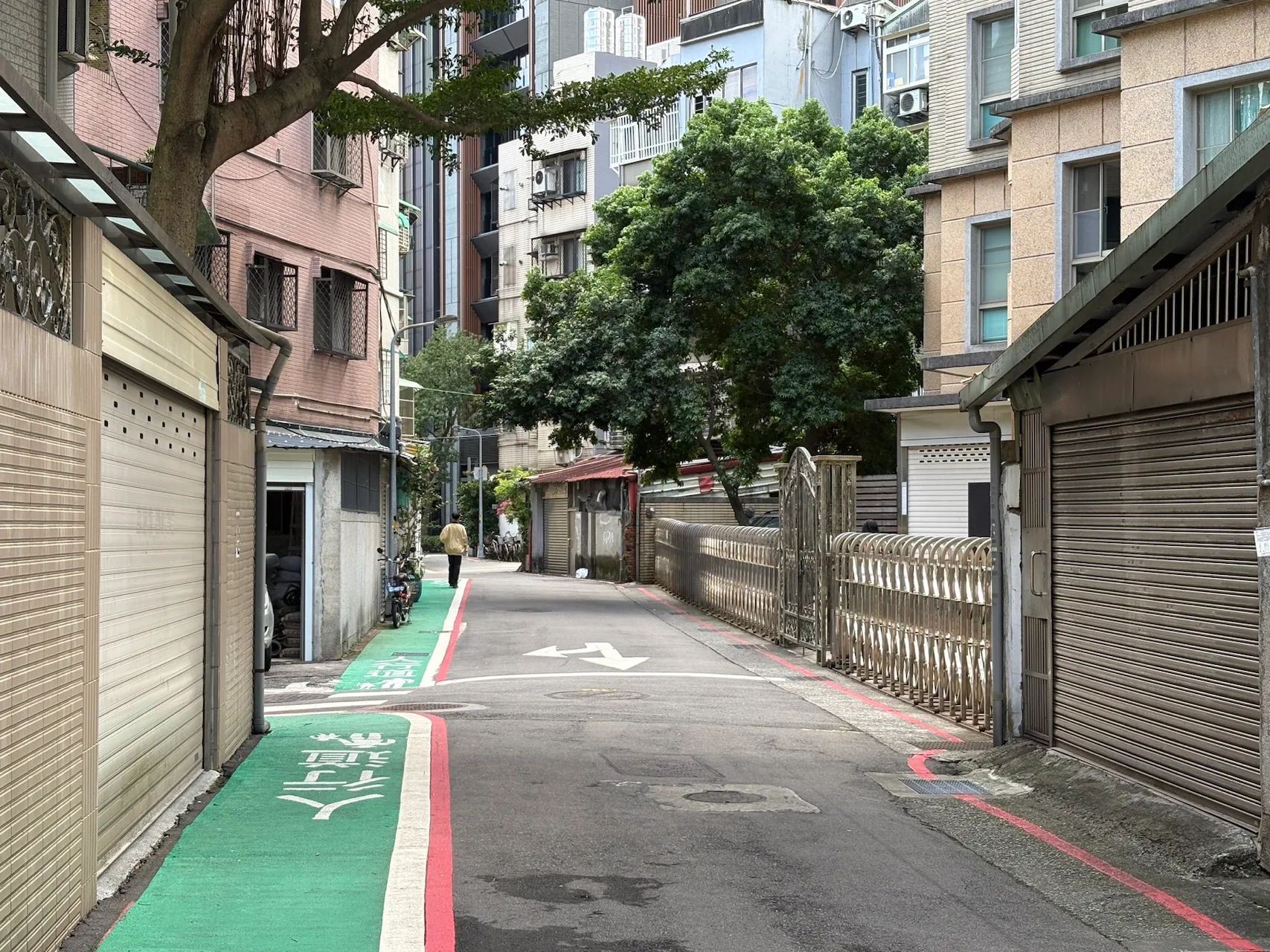
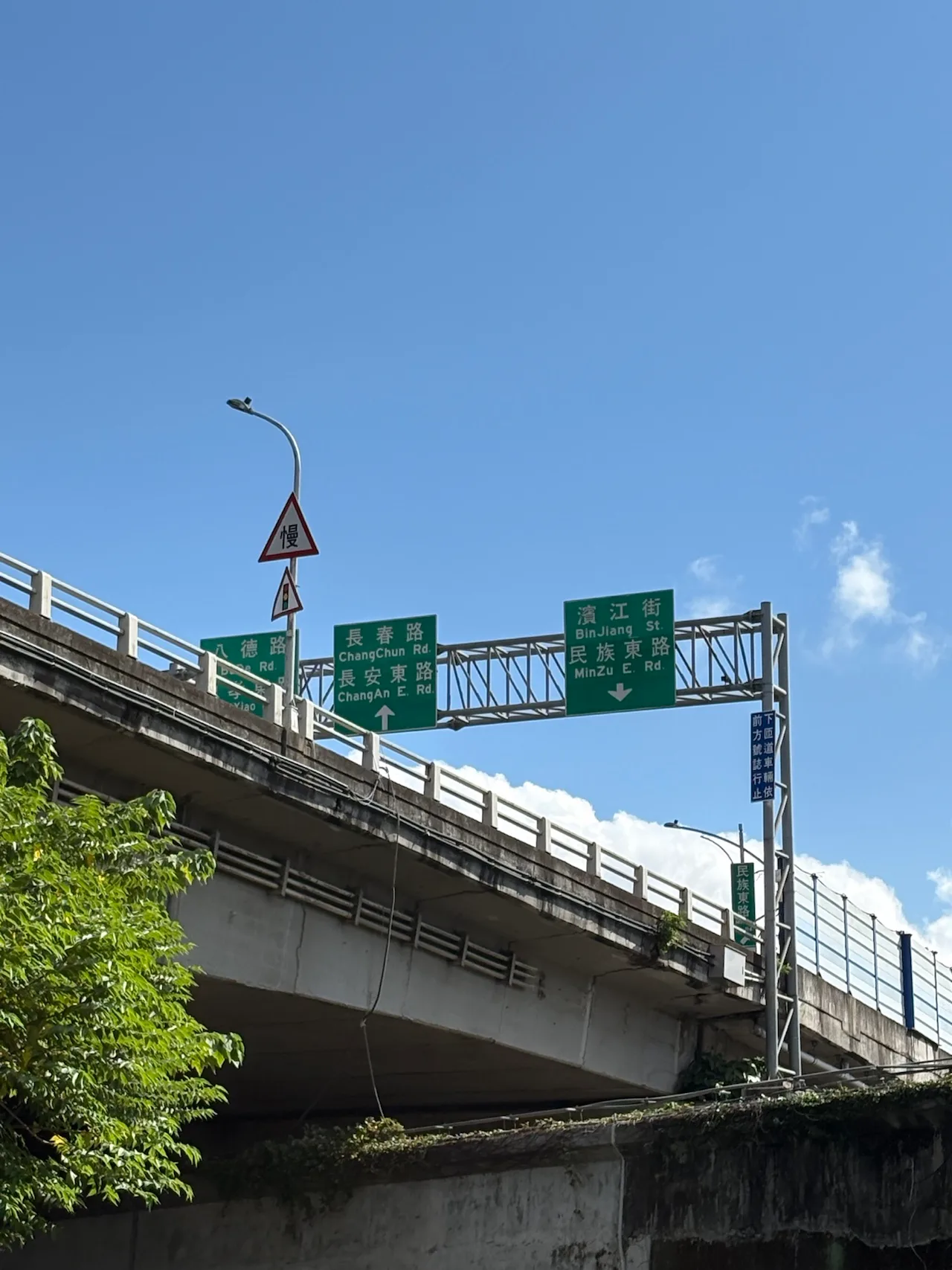
Daily life on Taipei streets. From the clear sky and alleyways where I felt both strange and familiar
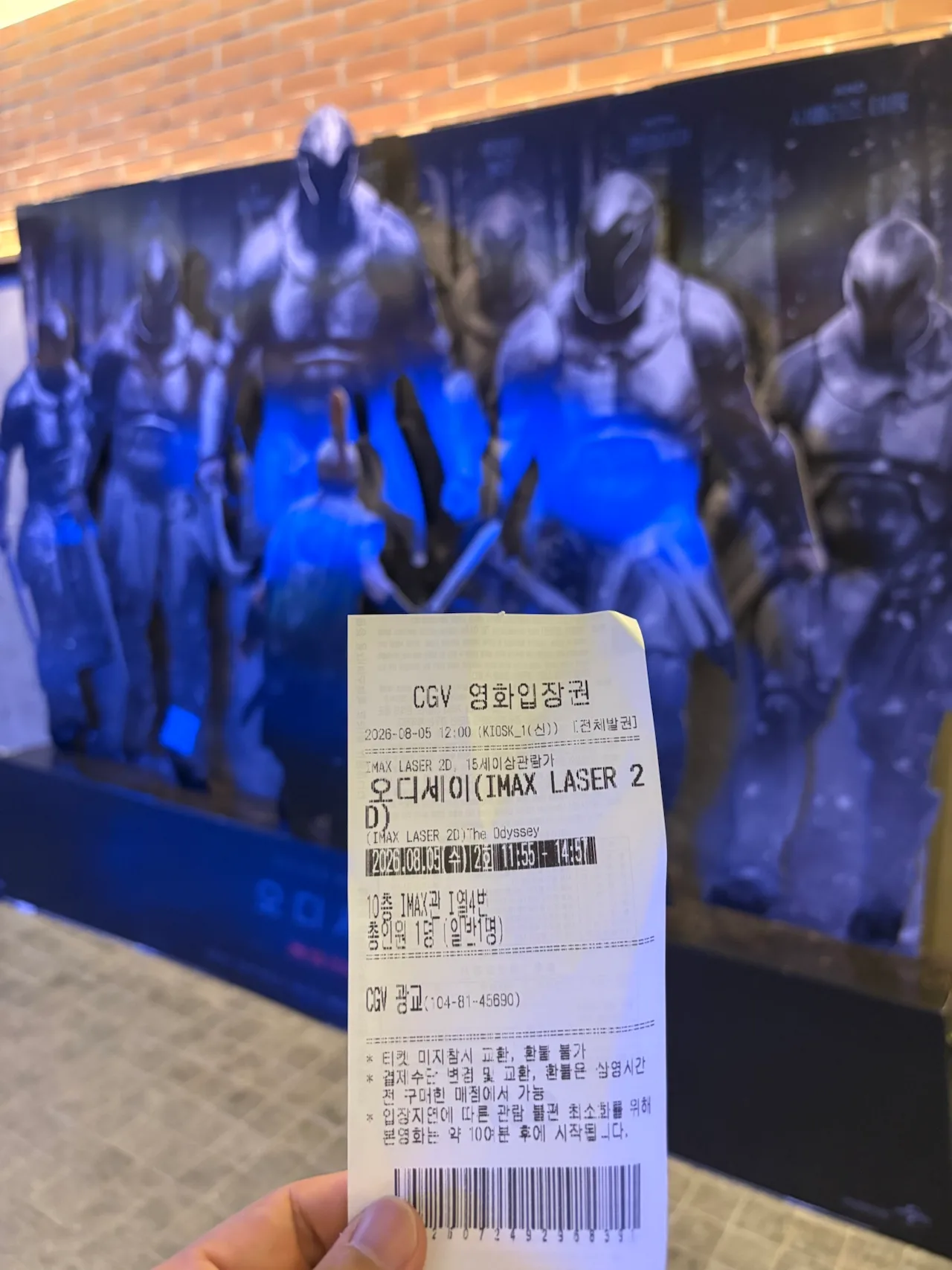
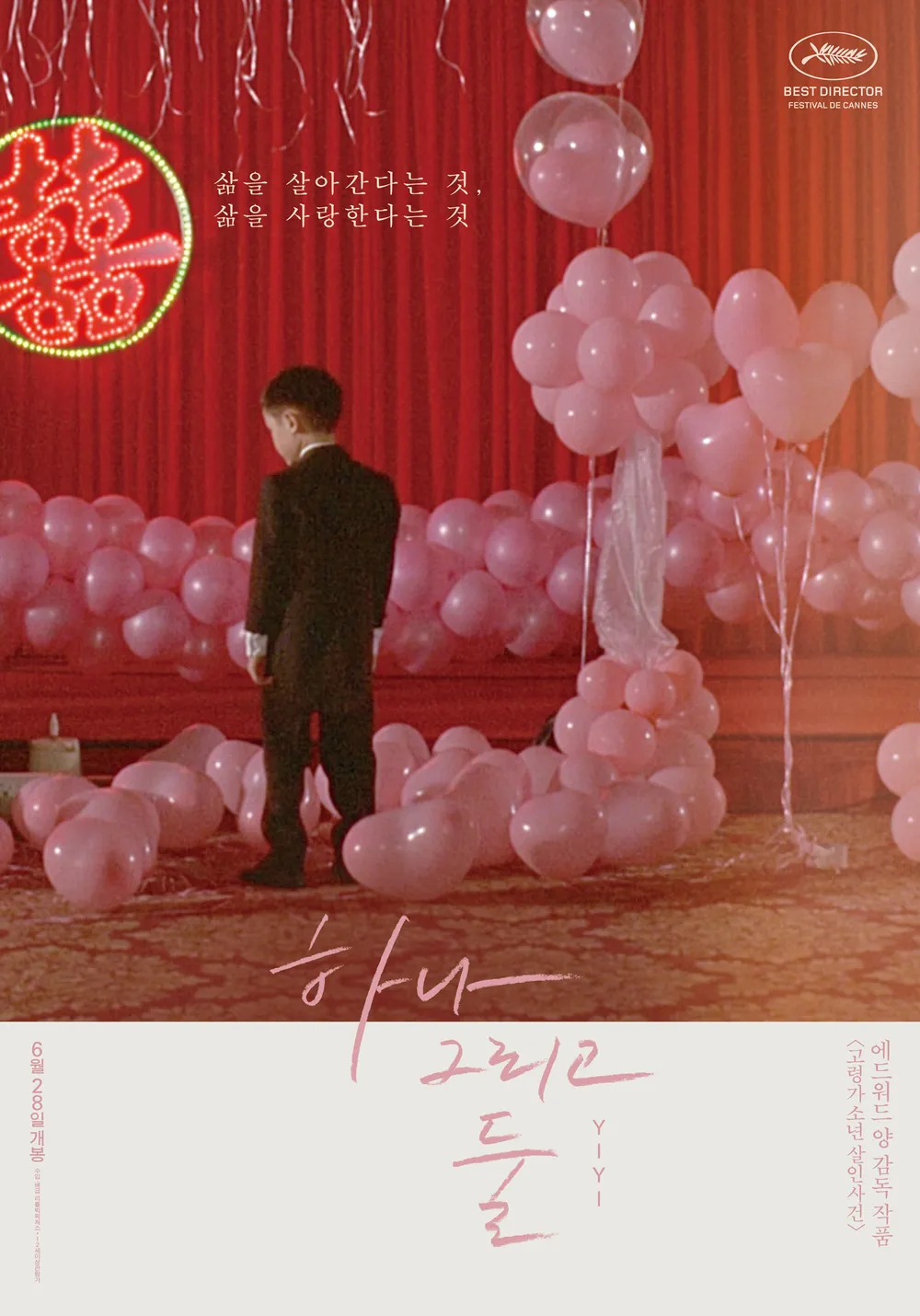
To me, Taipei was "Yi Yi." And that film, which took one place among the films of my life, was being re-released! In 4K at that! Though I'm one to cherish first impressions for a long time, it felt like an opportunity that would never come again, so I could enjoy the luxury of watching it in the theater as a last showing before it closed. It was the first time I watched a film twice in a two-month interval. This is a very personal reflection.
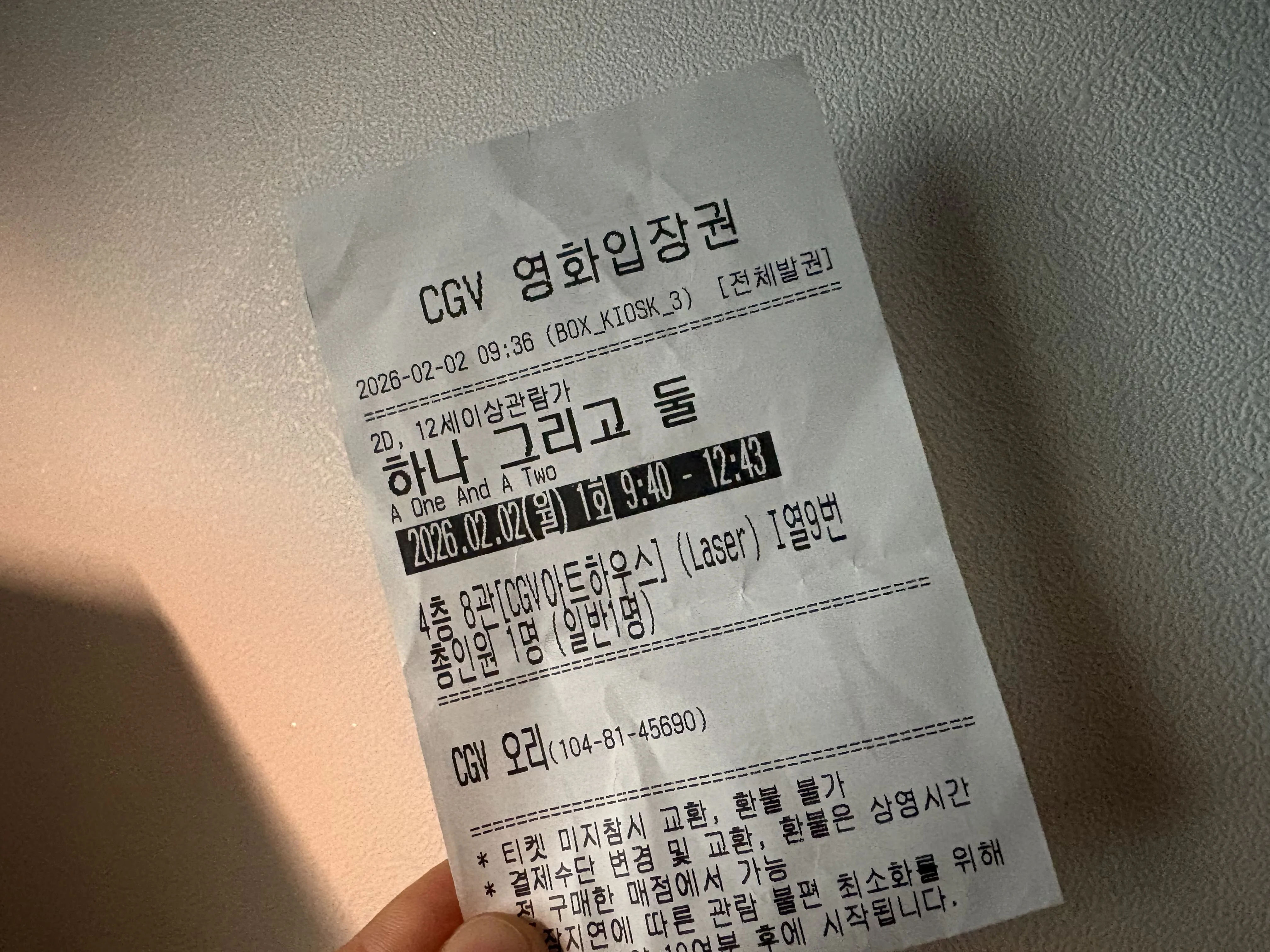
Re-release I learned about late. Successfully caught the last showing!
Between Misalignment and Connection
Plot
8-year-old Yang-Yang receives a camera as a gift from his father NJ. Yang-Yang photographs the backs of people that they can't see themselves. In Yang-Yang's photos are his father NJ, who meets his first love again after 30 years during a business crisis; his mother Min-Min, who leaves home in grief after grandmother's accident; his sister Ting-Ting, who thinks grandmother's accident is her fault; and people living their own lives.
Watching this film, I wondered if human relationships could be defined this beautifully with such everyday language. The film doesn't run toward a specific ending. It merely creates conversations and relationships between one person and another with our ordinary words. In the process, they slightly misunderstand each other, carry distances that can never be filled, and walk in their own ways.
Ting-Ting lives blaming herself even though she may have nothing to do with grandmother's collapse. Min-Min looks back on her life as her mother collapses and retreats into a deep hole. Yang-Yang discovers a new turning point in life from his sister who once teased him cruelly, and NJ thinks about the past in time with his first love he meets by chance.
But all their stories are both natural and unnatural. The reason is that each looks at the world from their own perspective. To the first love who cries asking why he left, NJ speaks of that time when she didn't understand his heart. NJ's words that he needs time are interpreted differently by the other person. Ting-Ting may never know the heart of her first love who pushed her away so coldly for unspeakable reasons.
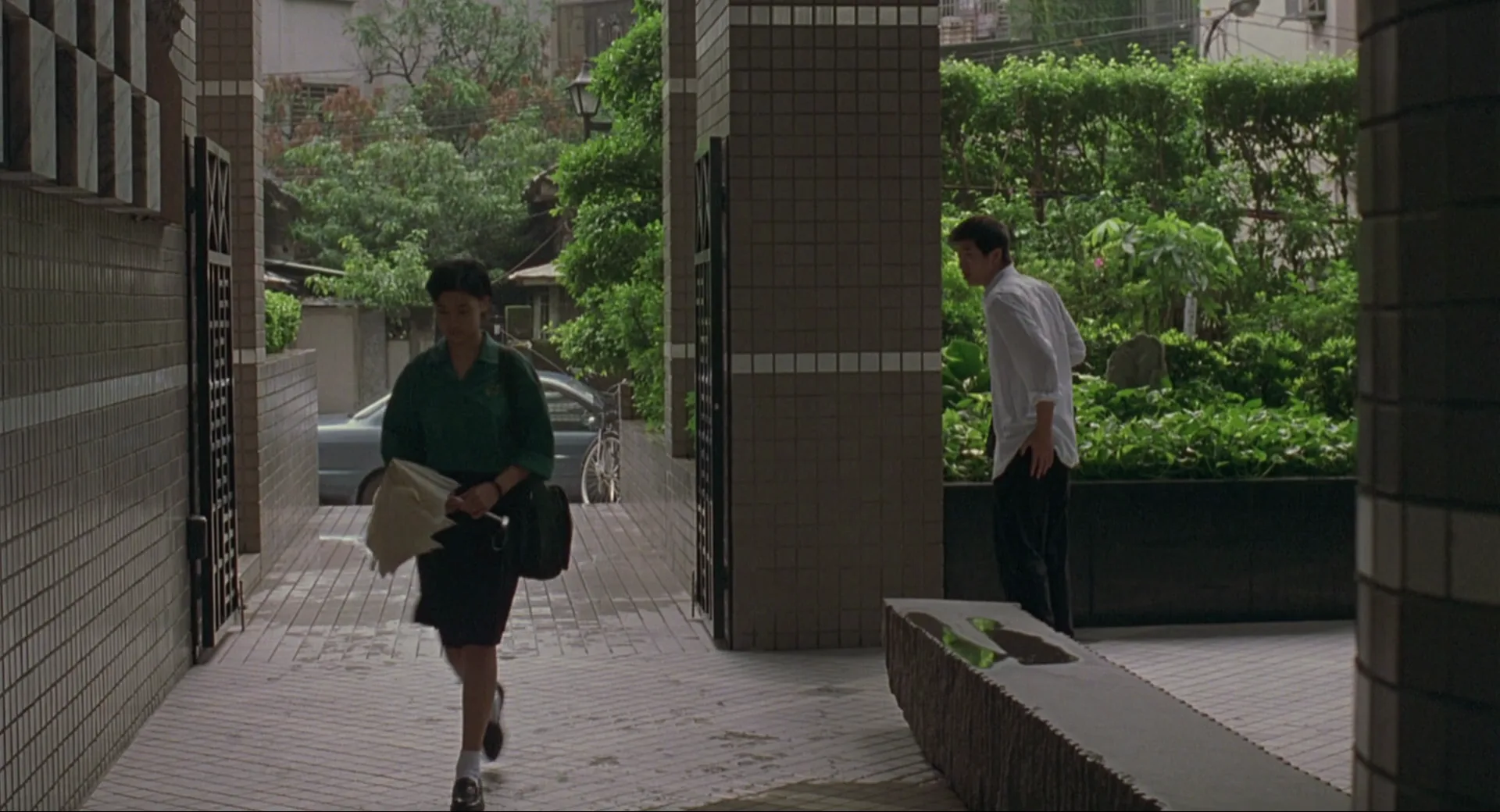
A moment between two that may end in eternal misunderstanding
Thus we live looking only at the front. So we cannot look at our backs. It would be nice if we could always look at our own lives in third-person narration, but we cannot. The me I see can only be incomplete. The film naturally speaks in life's language about these moments of slightly misaligned mutual conversations.
The film continues to show such scenes. The uncle's words that everything is over after returning from the ruined first birthday party, NJ scolding Yang-Yang for peeking to see the sad face of the neighbor's mother... many scenes in the film contain multiplicity that cannot be accepted as one meaning.
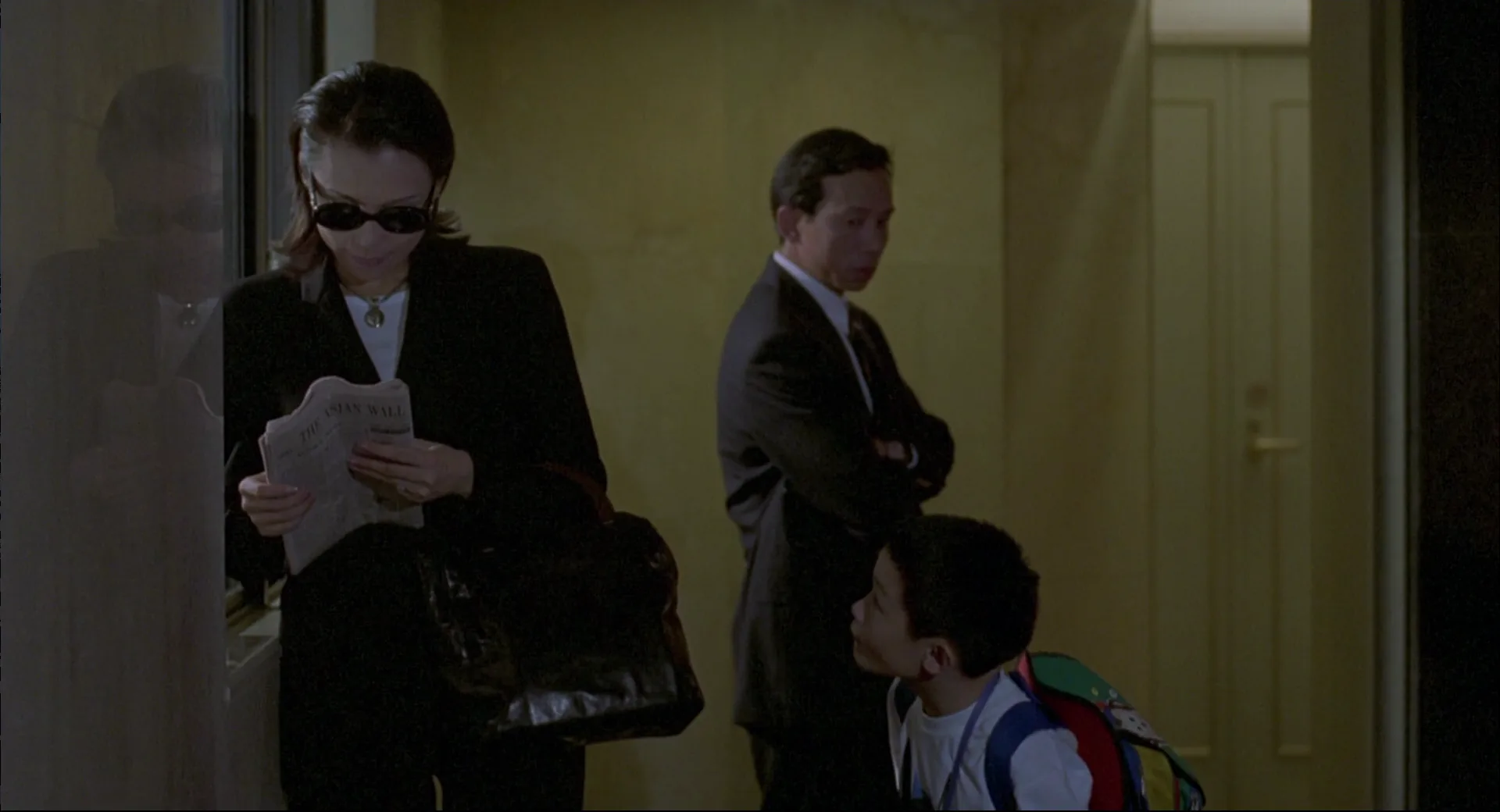
And such layers extend beyond space to time, from me to my child. The most beautiful moment in the film's flow I felt was the time showing the crossover of NJ and his first love's meeting after 30 years, and the beginning of his daughter Ting-Ting's first love. Perhaps the excitement the words "first love" give, and the regret that remains because it's first love. Life continued that way in separated spaces. Perhaps even to 8-year-old Yang-Yang who mysteriously regards the first opposite-sex feeling he received from his sister. Thus the film crosscuts someone's death, ending and new life, beginning. That life continues repeating.
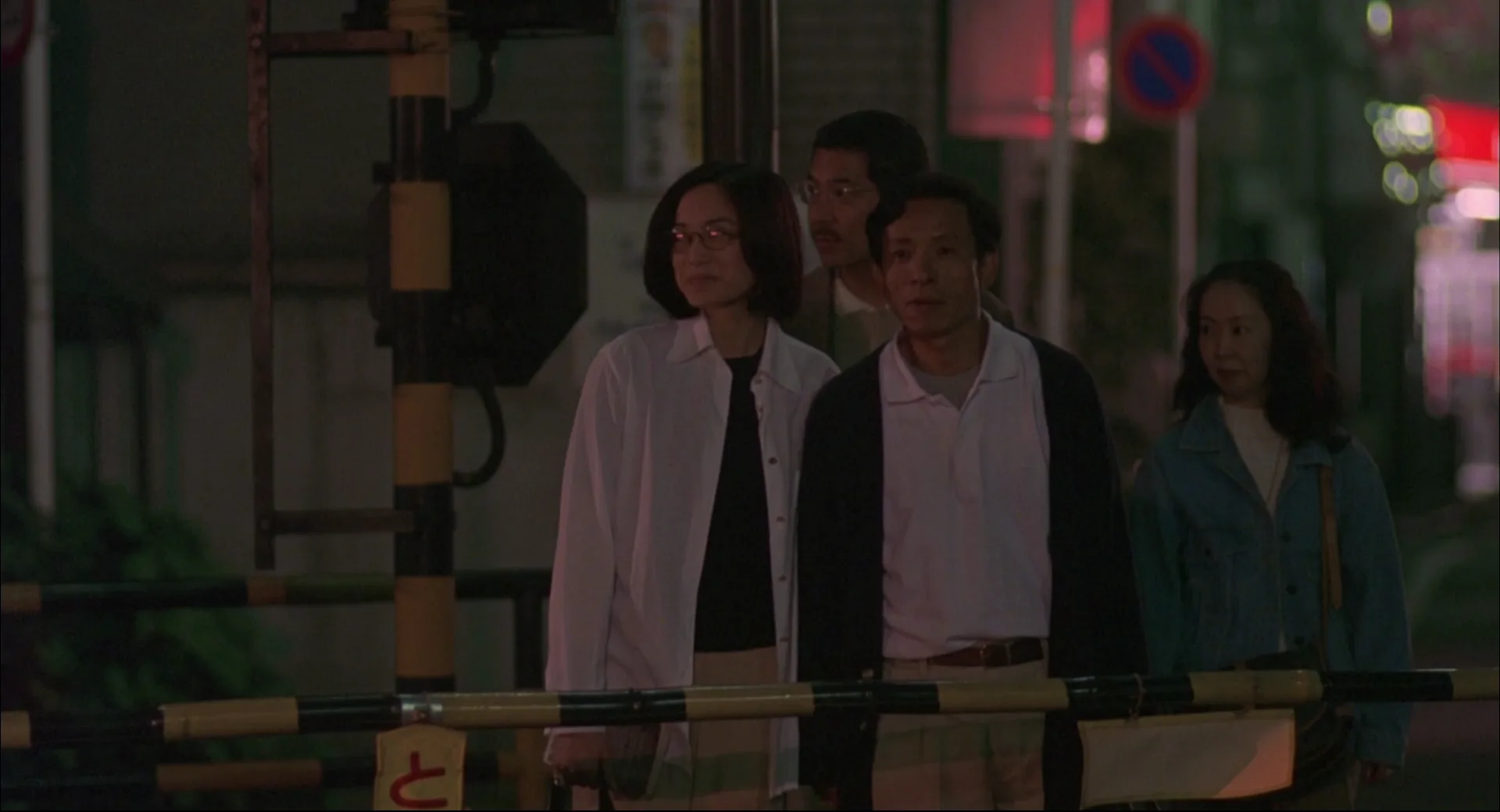
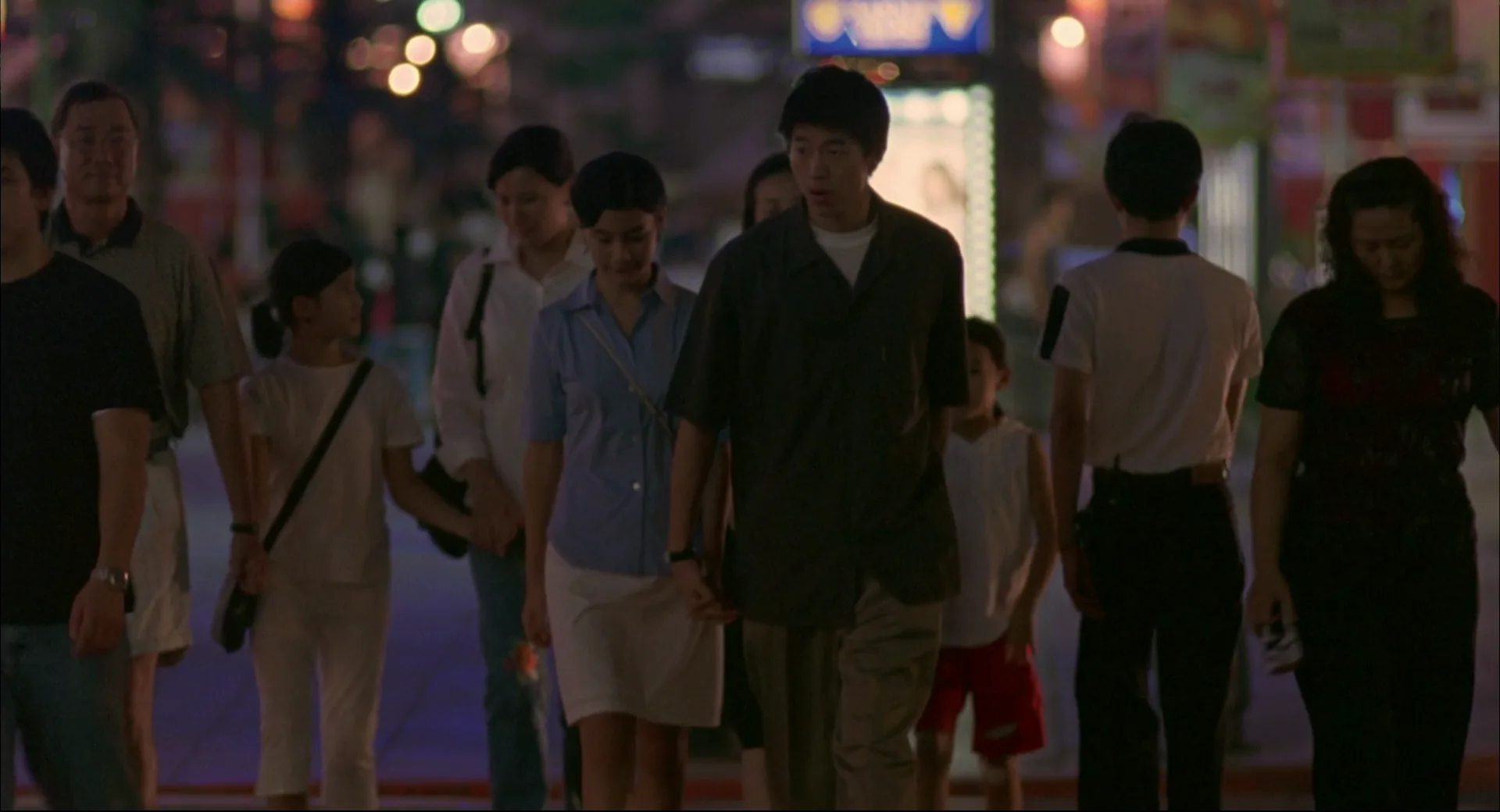
The first loves of NJ and Ting-Ting are connected across long space and time.
Why Can't One (一) and One (一) Become Two (二)?
In the film, Yang-Yang is a being that awakens (excluding Ting-Ting) the adults' lack of perspective. Yang-Yang receives a camera from his father NJ. Scolded by the teacher, thinking about adults who believe what they haven't seen, he uses all the camera film to show his mother Min-Min a mosquito. He also talks with his father NJ about how people can never see their own backs, and after that photographs the backs of friends and adults with his camera. He also photographs the back of his uncle who cannot see his own absurdity throughout the film.
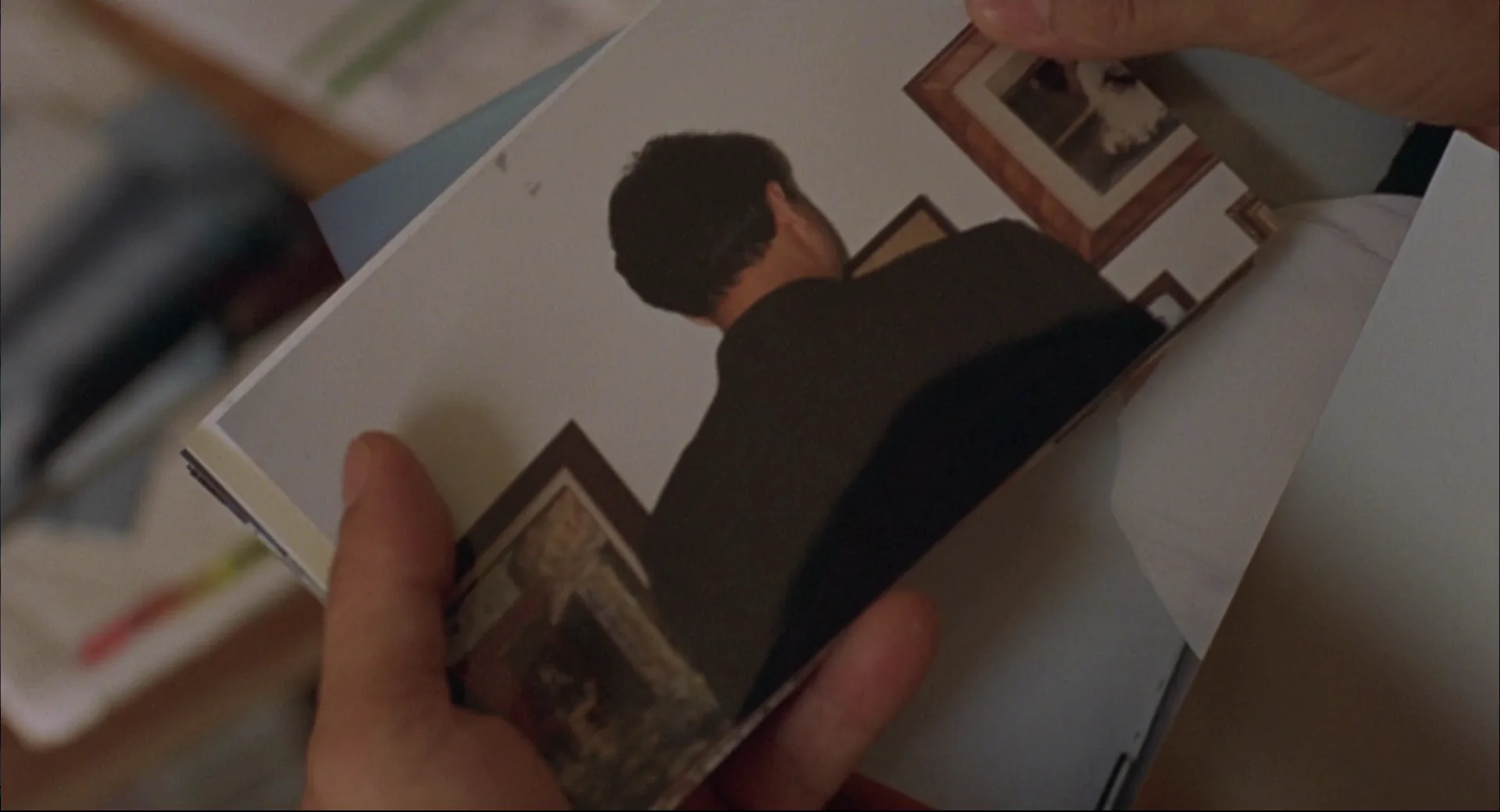
We live forever unable to look at our own backs and see only half the truth. Through Yang-Yang, we look back at adults' illusion of knowing everything. And at grandmother's funeral, Yang-Yang says he doesn't know many things. But isn't such Yang-Yang perhaps the one who knows life best? As one who knows his own insufficiency.
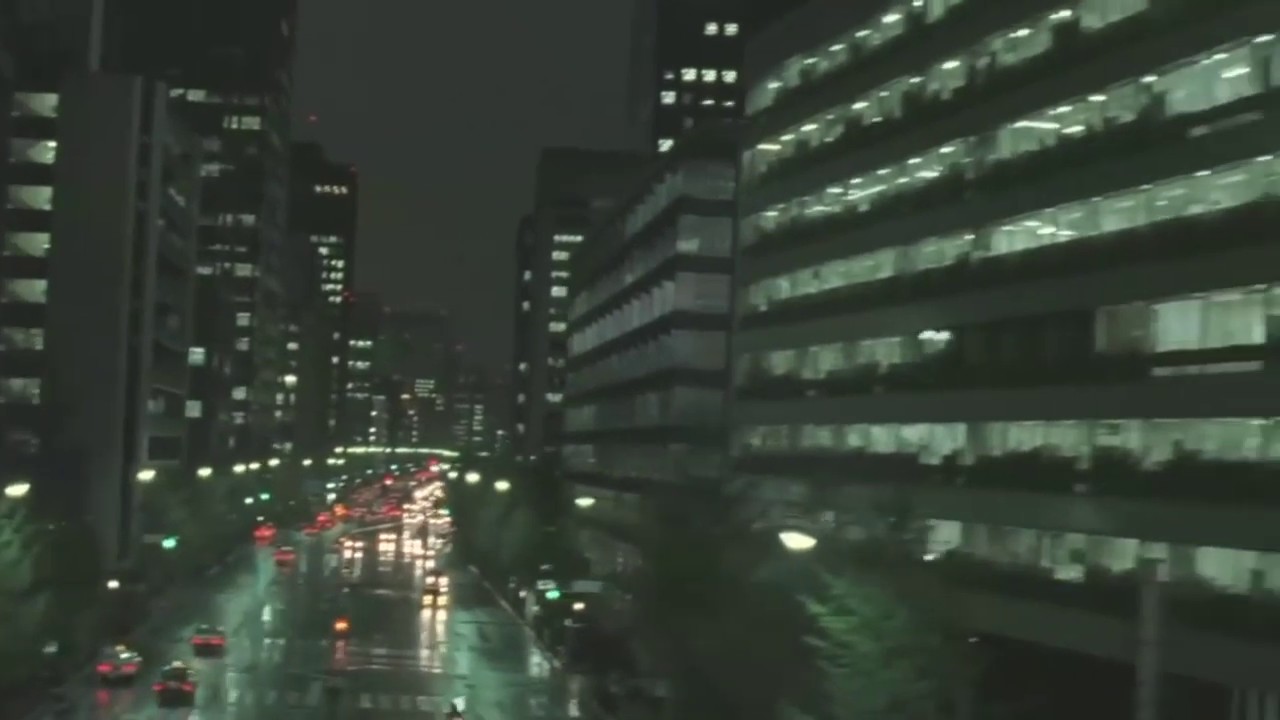
My favorite scene in the film was the scene where NJ goes to Tokyo on a business trip to meet his first love. In this generally calm-textured film, that scene uniquely passing quickly through the dark night was a beauty that seemed to show NJ's heart returning to the past. I want to hear the background music from that scene again, but there's no way to find it. (One More Moon - Kai-Li Peng, there doesn't seem to be a full version, only cropped parts can be heard as below.)
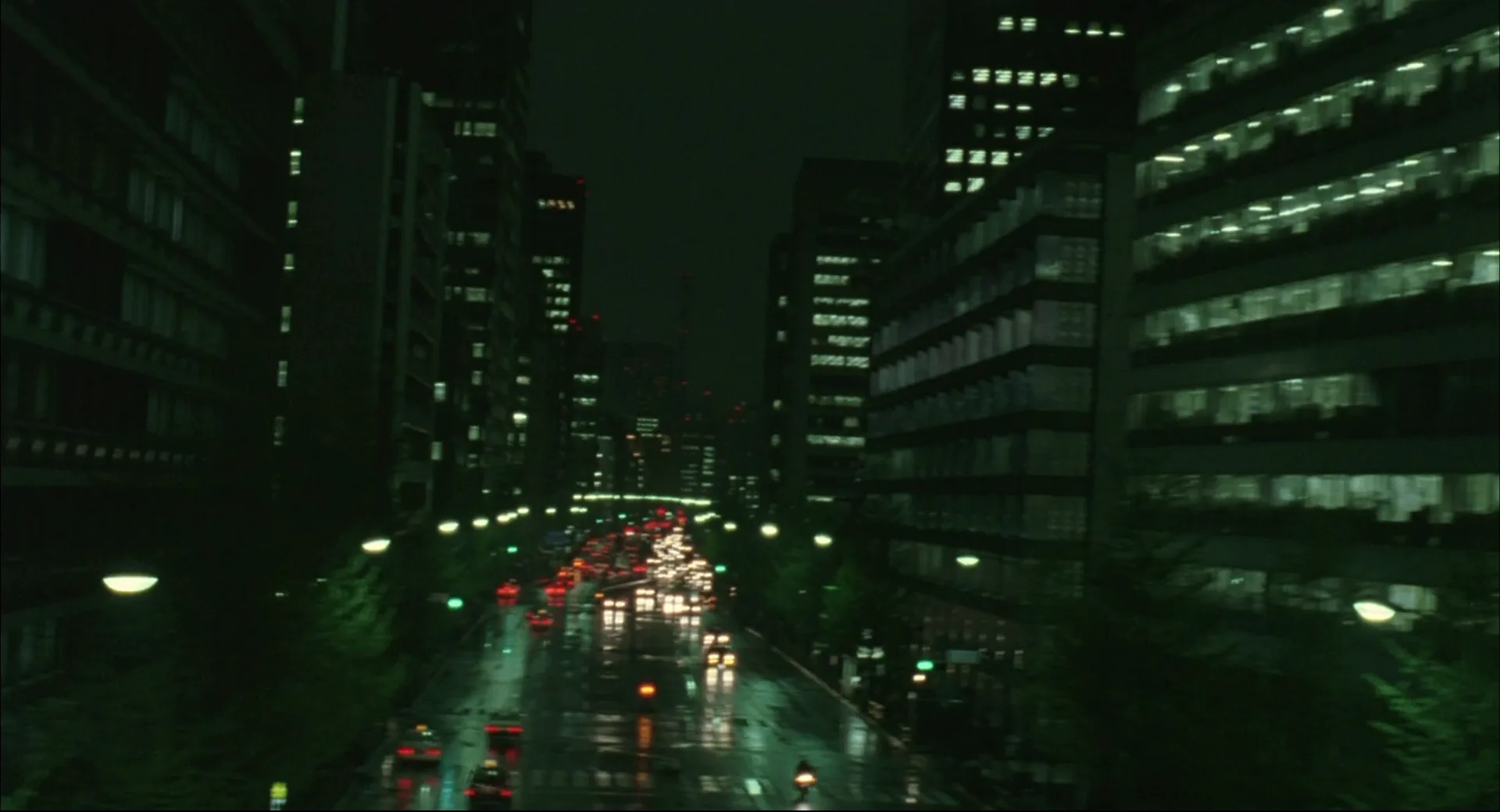
Dynamic movement, and Tokyo night heading toward the past
The original title of this film is Yi, Yi. "一一." "一" is one, and when that one becomes two, it becomes "二." That one and one forever face each other making two, but cannot touch. Perhaps our lives too are spent going between misunderstanding and understanding in relationships that seem to touch but don't.
Though it's a slightly long running time, the stories that continue with seeming disconnection filled my heart like continuous gentle waves. And it became a film I'll remember forever. I was fortunate to meet it through the re-release.