Farewell My Concubine — I Miss His Sad Eyes
Falling for Leslie Cheung by chance. A journey from Happy Together to Farewell My Concubine.
I came to Leslie Cheung far too late. He was a legendary actor behind countless iconic works, but I'd never paid much attention to Chinese-language cinema. When he passed away, Leslie Cheung was someone I knew only through the shallow surface of the news. I had no intention of seeking out his performances — he and his films existed entirely outside my life.
That's how I lived for about forty years, until I stumbled upon my first film of his: Happy Together. Leslie Cheung and Tony Leung, testing each other's love in the distant city of Buenos Aires. My reason for watching was actually Tony Leung. In the Mood for Love and Chungking Express had been new sparks in my thirties. While searching for more of Tony Leung's films, this one came up on a streaming service — and that was the first time I ever encountered Leslie Cheung on screen. It was late at night, and I was half dozing off as I watched.
I'd started the film for Tony Leung, and the plot itself has since grown hazy in my memory. Yet the one thing that stayed with me for a long time afterward was the other actor — the one across from Tony Leung. The look in that actor's eyes lingered. Months passed, I still thought about it, and only then did I look him up. It was Leslie Cheung. In every line he spoke, every gesture he made, there was an unmistakable sadness, a loneliness, a solitude he couldn't hide. All of it came into me. Just one film, and he crashed into me like something wild.
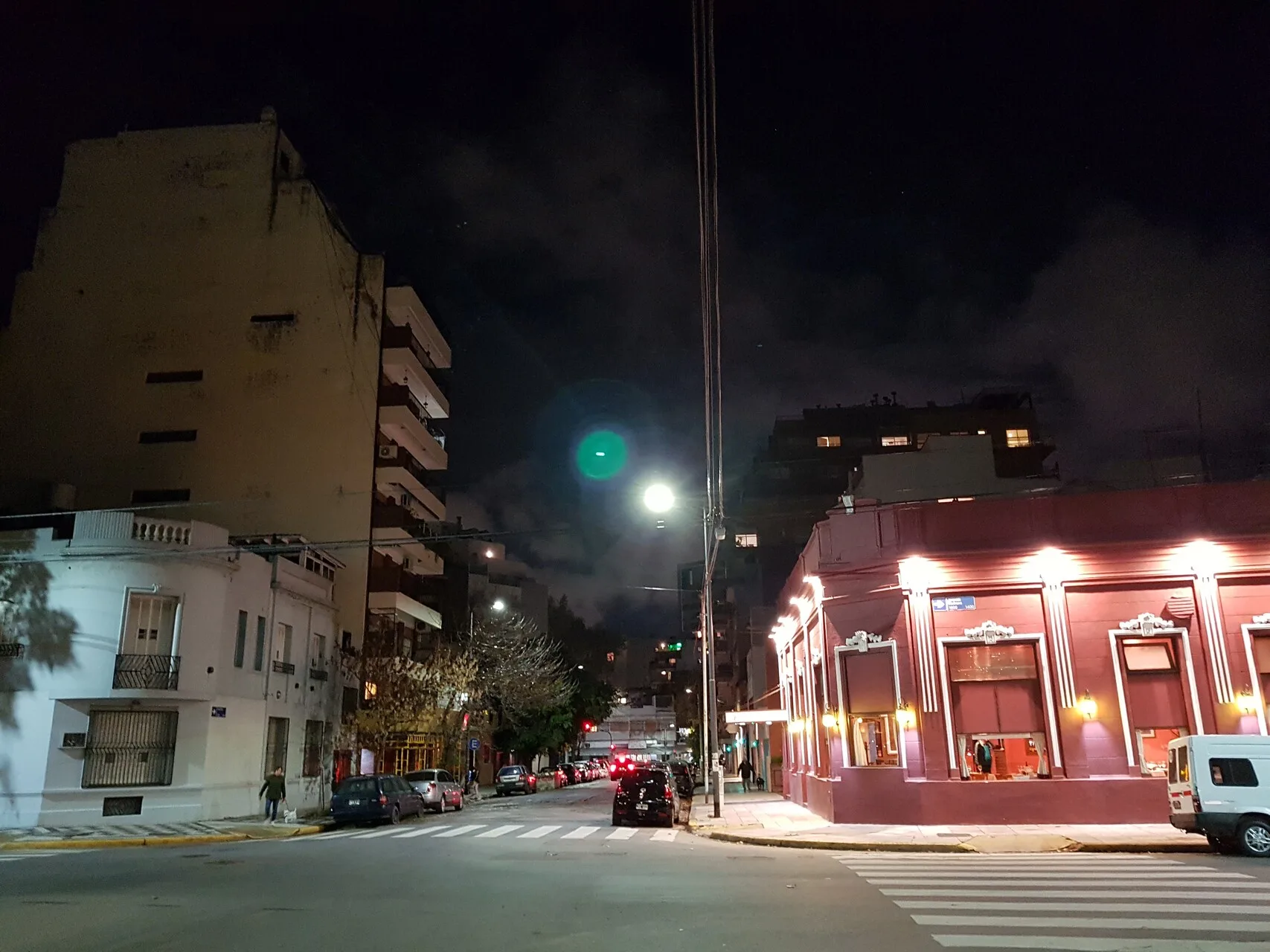
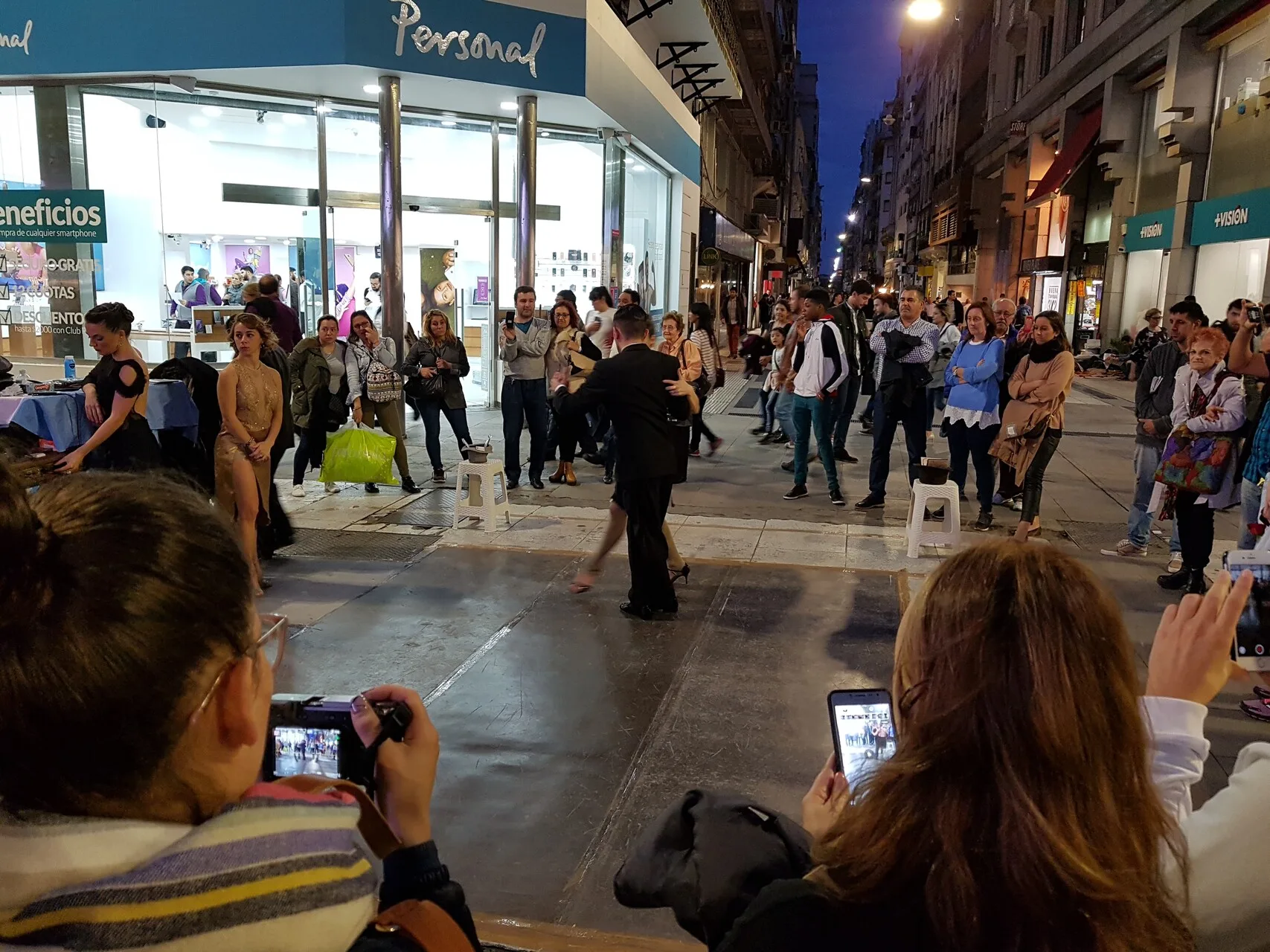
The nights in Buenos Aires were beautiful. I was far too young then to feel the full depth of that beauty.
In a moment full of sadness, I was looking for some comfort. The second film of his I watched was Days of Being Wild. He played a womanizer who never gave his heart easily to anyone. A short film, barely an hour and a half. He was the perfect actor for Wong Kar-wai's signature way of telling a story through images. He embodied that defiant spirit, and the sadness harbored within it — the very image of a "bird with no legs."
I only now understand why this scene is so captivating. A free spirit.
Then I grew curious: which film in his filmography was considered his greatest? Many people had different opinions, but there was always one title that kept appearing. Leslie Cheung himself said it was a film that had a profound impact on his own life. Farewell My Concubine. A film that stands among the finest in Chinese cinema history. One busy morning, while idly searching, I saw that it was being re-released in theaters. I didn't think about what I had to do next. I ran to the nearest theater — an hour away from home.
Synopsis
Dieyi and Shitou, entrusted to a Beijing opera school as children, become the finest Peking opera performers after years of hardship. Dieyi, who plays female roles, comes to adore Shitou, but when Shitou falls in love with a woman named Juxian, Dieyi begins to drift. Dieyi turns to opium; Shitou becomes consumed by Juxian. From this point, the two men begin lives as turbulent as modern Chinese history itself.
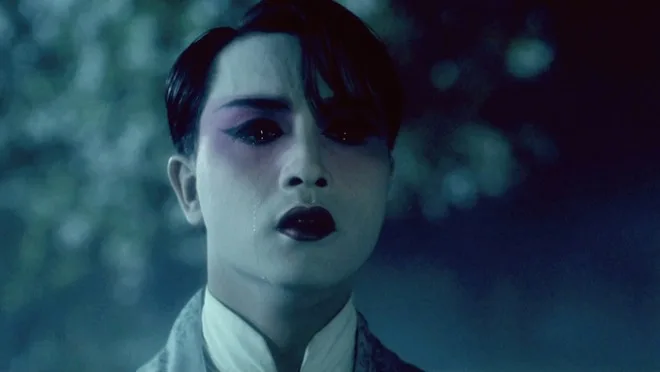
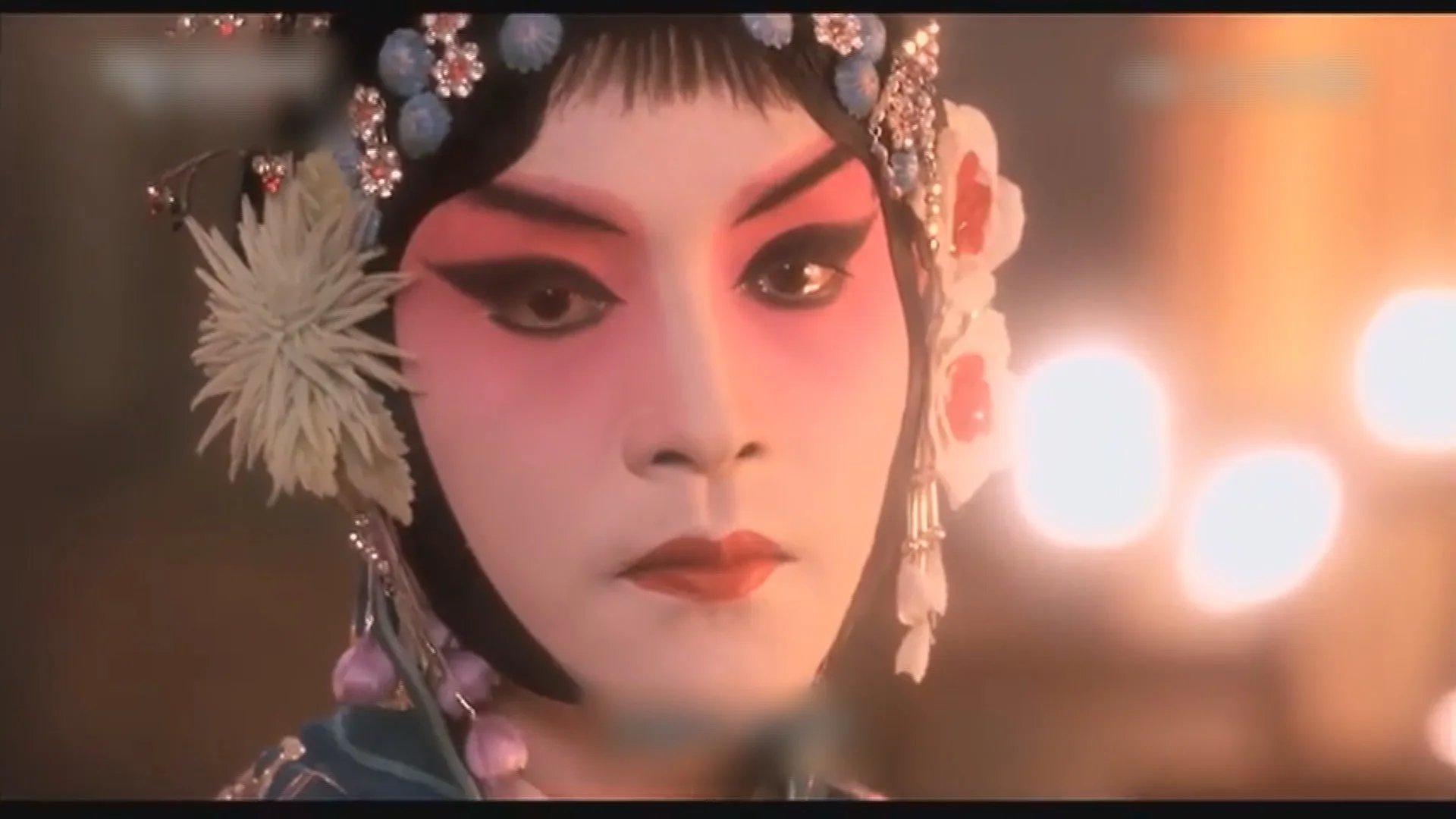
Within the frame of a film, actors create the world of the story through their performance and deliver it to the audience. I often gauge an actor's ability by how deeply I can immerse myself in their acting. Leslie Cheung was Cheng Dieyi. He simply was Cheng Dieyi. There was nothing more to say. A figure who seemed as though he could exist somewhere in the lived flesh of Chinese modern history.
Usually it's a director's craft and intricate plot that stays with you. But as I walked out of the theater after this film, one thought came to me: I wished there were a film where I could simply watch Leslie Cheung's Cheng Dieyi for three hours. It was sad. And so, so cruel. That character. Now I understand why Leslie Cheung could never fully escape Farewell My Concubine. Because Leslie Cheung was Cheng Dieyi.
Of course, recognizing an actor's performance also means recognizing the director's brilliance. This is said to be Chen Kaige's greatest masterpiece. Looking at how his subsequent films gradually declined, it seems that when a director and actor both at their peak meet at the same moment, a work destined to enter history is born.
Cheng Dieyi's life is one of cruel misfortune. Born the son of a prostitute, cast aside for having six fingers, those fingers cut off so he could be accepted, forced to abandon his identity and live with the heart of a woman named Yu Ji to survive a life he never chose — the world saw him as Yu Ji, and so he had to become Yu Ji. He spends his entire life unable to fully discard his identity, unable even to know what his identity is — a life in which the only way to survive is to reshape the self entirely.
Unlike Shitou, who manages to align his life with the outside world, Cheng Dieyi lives the life of Yu Ji until the very end. It was sad. The pain of a human being who must reshape himself just to survive, without ever knowing who he truly is. Perhaps that is why Dieyi fell into opium. And perhaps the moment of breaking free from that opium was the very moment he had to face the raw pain of human existence — something like suffering in its most unmediated form.
I've focused too much on Leslie Cheung, but the relationships with the surrounding characters also enrich the film enormously. Shitou and Juxian each live in their own way, from their own positions, and exert influence on one another. Sometimes close, sometimes drifting apart — following the trajectory of lives that cannot be lived by their own strength alone, I found myself thinking again about the meaning of life.
This was a film that came out during the Deng Xiaoping era — the only period in China when the Cultural Revolution could be freely criticized. There are many scenes that take sharp aim at it. Seeing that Chen Kaige, who once had such piercing vision, later used his talents to create propaganda, it seems likely that a film like this will never come out of China again.
I am just as grateful to encounter masterworks like this as I am to consume new releases in the theater. And I am simply glad to have met the actor Leslie Cheung on a large screen, even decades after the film was made. Perhaps it is precisely because I met him at such a late age that I could feel the full depth of the sadness within him, just as it was. I miss his sad eyes. I imagine him in middle age, as beautiful as Tony Leung is now. In remembrance of his passing, as his 23rd anniversary quietly arrives.